
A steel shed is a fantastic addition to any Australian home, providing valuable storage for tools, equipment, and garden supplies. However, if you live near the coast, your shed faces a constant threat: rust. The beautiful sea breeze carries with it elements that can quickly corrode and damage steel, shortening the life of your investment. This guide will show you how to prevent rust in your steel shed and ensure it stands strong for years to come.
Why Coastal Areas Cause Faster Rusting
Living by the sea has its perks, but it’s tough on metal structures. The combination of salt-laden air, high humidity, and frequent rainfall creates the perfect environment for corrosion. Understanding why this happens is the first step in effective coastal shed protection.
The salty air, a hallmark of coastal living, is the main culprit. Tiny salt particles land on your shed’s surface. When combined with moisture from rain, dew, or humidity, this salt creates a corrosive solution that accelerates the process of oxidation. Oxidation is the chemical reaction where iron (in the steel) reacts with oxygen and water, forming iron oxide—commonly known as rust. This process eats away at the steel, weakening it and causing unsightly orange-brown patches.
Best Ways to Prevent Rust in Steel Sheds
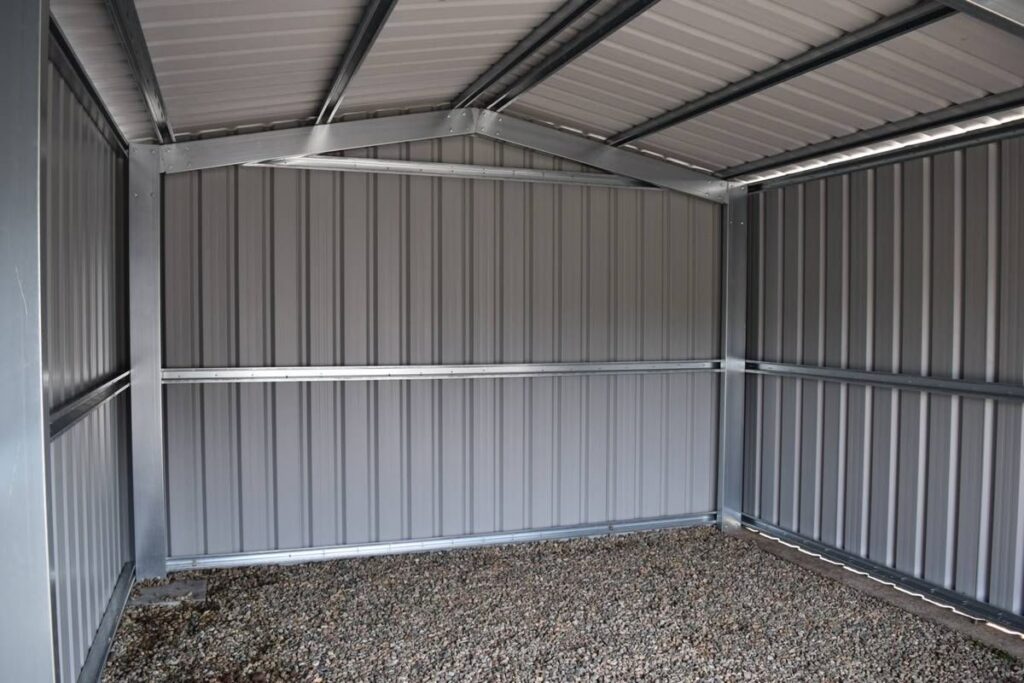
You can take proactive steps to safeguard your shed from the harsh coastal environment. By choosing the right materials and following a consistent maintenance plan, you can significantly extend its lifespan.
Choose Galvanized or Zincalume Steel
The most crucial step to prevent rust in a steel shed starts before it’s even built. Opt for a shed made from high-quality, corrosion-resistant materials.
- Galvanized Steel: This steel is coated with a layer of zinc. The zinc acts as a sacrificial barrier, corroding before the steel underneath is affected.
- Zincalume Steel: This is a popular and highly effective choice in Australia. It features a coating of zinc and aluminum, offering superior corrosion resistance compared to traditional galvanized steel, especially in coastal settings.
Apply Protective Coatings and Sealants
Even the best steel benefits from an extra layer of defense. Applying a protective coating or sealant creates a waterproof barrier that stops moisture and salt from reaching the metal surface. Look for marine-grade paints or clear sealants specifically designed for metal protection in coastal environments. Pay special attention to joints, seams, and fastener heads where water might pool.
Use High-Quality Anti-Rust Treatment Products
For existing rust or as a preventative measure, an effective anti-rust treatment is essential. These products come in various forms, including sprays and paints. A good treatment will not only stop existing rust from spreading but also create a primer layer that you can paint over for a clean finish. Always follow the manufacturer’s instructions for the best results.
Regular Cleaning to Remove Salt Deposits
One of the simplest yet most effective ways to protect your shed is to wash it regularly. Hosing down the walls and roof every few weeks helps remove the build-up of salt deposits that accelerate corrosion. For a more thorough clean, use a soft-bristle brush and a mild, non-abrasive detergent, then rinse completely with fresh water.
Ensure Proper Ventilation
Moisture doesn’t just come from the outside; it can also build up inside your shed. Condensation is a common problem that can lead to rust from within. Installing vents, a whirlybird, or even just leaving the door open periodically allows air to circulate, reducing humidity and keeping the interior surfaces dry.
Install Sheds on a Proper Foundation
Your shed’s foundation plays a key role in moisture management. A professionally laid concrete slab that is slightly raised and properly sealed prevents ground moisture from seeping up into the shed. This reduces overall humidity and stops water from pooling around the base of the walls.
Inspect and Treat Scratches Immediately
Scratches, dents, and dings are more than just cosmetic issues. Any break in the protective coating exposes the raw steel underneath to the elements, creating a starting point for rust. Inspect your shed regularly for any damage. If you find a scratch, clean the area, apply a rust converter if needed, and touch it up with a suitable metal paint or sealant immediately.
Recommended Maintenance Routine
A consistent maintenance schedule is your best defense against rust. Here is a simple checklist to help you stay on track with your coastal shed protection.
Monthly Checklist
- Visually inspect all surfaces for signs of rust, peeling paint, or scratches.
- Check inside for any signs of leaks or condensation.
- Hose down the exterior walls and roof to remove salt and dirt buildup.
Quarterly Checklist
- Thoroughly wash the shed with a mild detergent and soft brush.
- Clear gutters and downpipes of leaves and debris to ensure proper drainage.
- Lubricate door hinges and locks with a silicone-based spray.
- Immediately treat any new scratches or small rust spots.
Annual Checklist
- Conduct a detailed inspection of the entire structure, including the roof, fasteners, and foundation seals.
- Check all screws and bolts, tightening any that are loose. Replace any that show signs of significant corrosion.
- Reapply protective sealants around windows, doors, and the base of the shed as needed.
- Consider applying a fresh coat of marine-grade protective paint if the original coating is fading or damaged.
Long-Term Coastal Shed Protection Tips
Thinking ahead can make a big difference in the longevity of your shed.
- Shed Positioning: When planning your shed’s location, consider prevailing winds. If possible, position it where it might be shielded by your house or larger trees to reduce direct exposure to salt spray.
- Drainage: Ensure the ground around your shed slopes away from the foundation. This prevents water from pooling around the base, which is a primary area for rust to develop.
- Use Stainless Steel Fasteners: When constructing or repairing your shed, use stainless steel screws, nuts, and bolts. They are more resistant to rust than standard fasteners and will prevent rust streaks from running down your shed panels.
Conclusion
Protecting your steel shed in a coastal Australian environment requires a proactive approach. It starts with choosing the right materials, like Zincalume® steel, and continues with regular maintenance. By keeping your shed clean, well-ventilated, and promptly repairing any damage, you can effectively prevent rust and ensure your shed remains a durable and valuable asset for many years.
Investing a little time and effort in ongoing care is far more cost-effective than dealing with major rust damage down the line. If you are unsure about the best materials or maintenance practices for your specific location, we encourage you to consult with local shed experts who can provide tailored advice.