Australia features some of the most unforgiving weather on the planet. From blistering summer heat to coastal cyclones and relentless storms, your property takes a beating year-round. When you need a reliable structure to protect your assets, livestock, or business, shed strength is not just a luxury—it is an absolute necessity.
This harsh climate is driving a massive surge in demand for Australian made sheds. Property owners are quickly learning that when it comes to steel structures, cutting corners with cheap imports can lead to disastrous results.
So, what exactly sets local structures apart from the rest? In this guide, we will explore why Australian-made sheds offer superior strength, how engineering standards protect your investment, and why choosing NCC compliant sheds is the smartest decision you can make for your property.
What Makes Australian-Made Sheds Different?
Not all sheds are created equal. When you purchase a shed manufactured in Australia, you are investing in a product specifically designed to withstand the unique challenges of the local environment.
Local Manufacturing Standards
Australian manufacturers operate under some of the strictest building regulations in the world. Local production ensures that every steel beam, bracket, and sheet of cladding meets rigorous national standards. This oversight prevents the use of subpar materials that often plague cheaper, imported alternatives.
Quality Control and Certified Steel
True Australian made sheds use high-quality, certified steel. Local manufacturers implement stringent quality control measures at every stage of the fabrication process. This means you can trace the structural integrity of your shed right back to the steel mill, guaranteeing a product that will not buckle or degrade prematurely.
Engineering Tailored to Australian Conditions
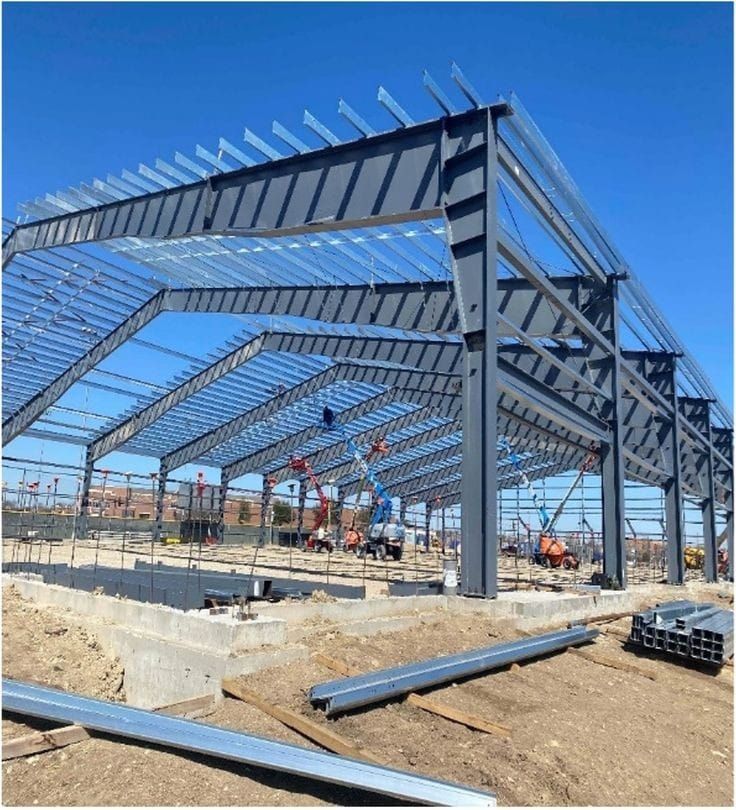
A shed built for a mild European climate will not survive a North Queensland cyclone or a Tasmanian winter. Australian engineers design sheds specifically for our diverse geography. They factor in local soil types, extreme temperature fluctuations, and regional wind speeds to engineer a structure that stays firmly rooted to the ground.
Understanding NCC Compliance
You will often hear the term “NCC compliant” when shopping for steel buildings, but what does it actually mean, and why should you care?
What NCC Compliant Sheds Mean
The National Construction Code (NCC) provides the minimum necessary requirements for safety, health, amenity, and sustainability in the design and construction of new buildings throughout Australia. NCC compliant sheds are engineered and built to meet or exceed these strict national guidelines.
Legal and Structural Importance
Building compliance is not optional. If you build a shed that does not meet the NCC requirements, local councils can refuse your building approval or force you to tear the structure down. Beyond the legal headaches, non-compliant sheds pose a severe structural risk. They are more likely to collapse under stress, putting people and property in danger.
Ensuring Safety and Durability
Choosing NCC compliant sheds guarantees that experts have rigorously tested the design parameters. The compliance process ensures that the framework can support the roof load, the connections are secure, and the entire building is safe for long-term use.
Wind Ratings & Structural Strength
Australia is divided into different wind regions, ranging from Region A (normal conditions) to Region D (severe cyclonic areas). Your shed must be engineered to match the specific wind rating of your exact location.
Cyclone Zones and Wind Load Ratings
In cyclone-prone areas, wind speeds can easily exceed 250 kilometres per hour. Sheds in these regions require heavier steel, reinforced connections, and specific structural grading to survive. Australian engineers calculate wind load ratings based on your property’s topography, ensuring the design can withstand the immense uplift forces generated during a severe storm.
Why Imported Sheds Often Fail
Many imported sheds use a “one size fits all” approach. They lack site-specific engineering and often feature thinner, weaker steel. When a severe Australian storm hits, these imported structures frequently suffer from roof blow-offs, wall buckling, and total structural failure. Australian made sheds, on the other hand, are over-engineered to handle these precise local threats.
Steel Quality & Engineering Standards
The skeleton of your shed is only as strong as the steel used to build it. This is where local manufacturing truly shines.
Australian Steel vs Offshore Alternatives
Australian steel is world-renowned for its high tensile strength and consistency. Offshore alternatives often use recycled steel with impurities or inconsistent thicknesses. While an imported shed might look identical on the surface, the underlying framework is often vastly inferior, leading to sagging and structural weakness over time.
Galvanisation, Corrosion Resistance, and Lifespan
Australia’s coastal regions are notorious for salt spray, which rapidly accelerates rust. High-quality Australian steel features premium galvanisation—a protective zinc coating that prevents corrosion. This treatment extends the lifespan of the steel by decades, ensuring your shed remains strong, safe, and rust-free long into the future.
Real-World Applications
The superior engineering of Australian made sheds makes them the perfect solution for a wide variety of applications.
Farm Sheds
Farmers need massive, open-span structures to store heavy machinery, protect livestock, and house valuable hay and grain. These sheds must endure heavy use, dust, and severe weather. Locally engineered farm sheds offer the massive structural integrity required to keep agricultural operations running smoothly.
Industrial Storage
Commercial and industrial businesses require secure, large-scale storage facilities. NCC compliant sheds ensure that these commercial buildings meet all workplace health and safety regulations. The heavy-duty steel construction protects millions of dollars worth of inventory and equipment from both theft and the elements.
Residential Garages and Workshops
Even for suburban homeowners, strength matters. Whether you are storing a classic car, a boat, or setting up a backyard workshop, a locally made shed provides unmatched security. It adds significant value to your property and ensures your weekend projects are protected from severe weather.
Why Compliance = Long-Term Value
Investing in a high-quality, compliant shed might require a slightly higher initial outlay, but it pays massive dividends over the life of the structure.
Insurance Benefits
Insurance companies heavily favour buildings that meet national standards. If a severe storm damages your property, having documented proof that you own an NCC compliant shed makes the claims process incredibly straightforward. Conversely, insurers may void your policy if they discover your ruined shed did not meet local building codes.
Reduced Maintenance
Because they use premium galvanised steel and heavy-duty brackets, Australian sheds require very little ongoing maintenance. You will not waste weekends patching leaks, treating rust, or reinforcing sagging beams. The structure is built right the first time, saving you significant labour and repair costs over the years.
Higher Resale Value
A well-built shed is a major selling point for any property. Prospective buyers look for durable, certified structures. Having an engineered, locally manufactured shed on your land instantly boosts your property’s market appeal and resale value.
Conclusion
When it comes to protecting your livelihood, your equipment, and your family, compromise is simply not an option. Australia’s extreme climate demands structures that are built to last, engineered with precision, and fabricated from the highest quality materials available.
Australian made sheds offer unmatched strength, durability, and peace of mind. By insisting on strict engineering standards and certified steel, you ensure your building will stand tall for decades to come.
Do not risk your property with cheap, uncertified imports. Always choose a reputable local manufacturer and insist on fully NCC compliant sheds for your next project. Contact a certified local supplier today to organise a quote and build a structure that is genuinely tough enough for Australia.