Australia throws everything at a steel building. From blistering summer heat and sudden supercell storms to strict local council regulations, erecting a shed is a serious investment. If you are planning to build a large-scale steel structure, you will quickly face a critical choice: do you need a farm shed or an industrial shed?
While they might look similar from the outside, the engineering, compliance standards, and overall costs of these two structures are entirely different. Choosing the wrong classification can lead to rejected council permits, structural failures during severe weather, or thousands of dollars wasted on unnecessary engineering.
This guide explores the exact structural differences, materials, and use cases for both farm sheds and industrial sheds. By the end, you will know exactly which building suits your property, budget, and long-term goals.
What Are Farm Sheds?
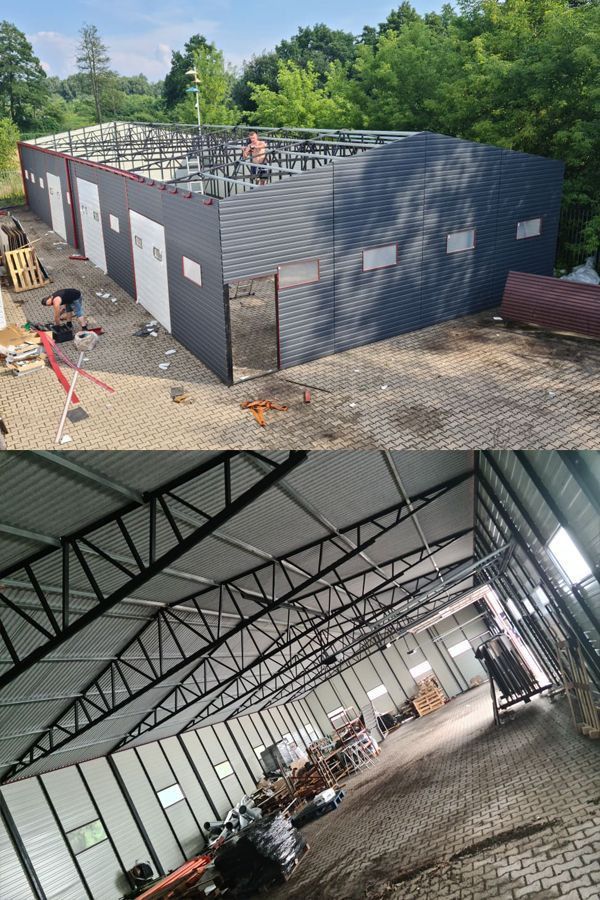
Farm sheds are purpose-built structures designed specifically for agricultural land and rural operations. They offer flexible, cost-effective shelter for everything from expensive farming equipment to livestock.
Purpose and Common Uses
You will typically find farm sheds on rural zoning. Farmers use them as:
- Hay storage and processing shelters
- Machinery sheds for tractors, harvesters, and attachments
- Shearing sheds and livestock shelters
- Fertiliser and grain storage
Key Features
Farm sheds prioritise flexibility and airflow. They often feature open bays, allowing easy access for wide machinery. Ventilation is a major focus, especially when storing hay or sheltering animals, to prevent moisture build-up and manage heat. Because they do not usually house permanent workers or heavy manufacturing equipment, they require less complex engineering than commercial buildings.
Typical Materials
Manufacturers build Australian farm sheds using high-tensile cold-formed steel. Cladding generally consists of durable, weather-resistant materials like COLORBOND® steel or ZINCALUME® steel. These materials resist rust and handle rural conditions exceptionally well, offering decades of reliable use.
What Are Industrial Sheds?
Industrial sheds are commercial-grade structures engineered to meet the strict demands of urban, commercial, and industrial zoning. They house businesses, manufacturing plants, and large-scale storage facilities.
Purpose and Commercial Applications
Industrial sheds sit at the heart of the commercial sector. Typical uses include:
- Large-scale warehousing and distribution centres
- Manufacturing and fabrication workshops
- Commercial storage facilities
- Retail showrooms and mechanics’ garages
Structural Requirements
An industrial shed requires heavy-duty engineering. These structures often rely on structural steel (hot-rolled steel) or heavily reinforced cold-formed portal frames to achieve massive clear spans without internal columns. They must support heavy loads, including suspended gantry cranes, heavy-duty commercial roller doors, and complex HVAC systems.
Compliance and Zoning Considerations
Because industrial sheds house employees and the general public, they must adhere to strict Building Code of Australia (BCA) commercial standards. This means higher requirements for fire safety, emergency exits, disability access, and amenities. Council zoning for these sheds is highly regulated, requiring comprehensive planning permits.
Key Differences Between Farm Sheds and Industrial Sheds
Understanding the distinction between these two sheds comes down to engineering complexity and intended use. Here is a clear breakdown of how they compare:
| Feature | Farm Sheds | Industrial Sheds |
| Primary Purpose | Agricultural storage, livestock, machinery | Commercial business, manufacturing, warehousing |
| Engineering | Standard rural engineering; often cold-formed steel | Heavy-duty structural engineering; hot-rolled steel options |
| Design Flexibility | High (open bays, custom widths) | High (massive clear spans, load-bearing frames) |
| Council Approvals | Generally simpler; classified as non-habitable rural | Complex; requires commercial compliance (fire, access, safety) |
| Relative Cost | Highly cost-effective per square metre | Higher initial cost due to structural and safety requirements |
| Zoning | Rural and agricultural land | Commercial and industrial land |
Which Shed Do You Need? (Decision Guide)
Still unsure which way to lean? Your zoning and primary use will ultimately dictate your choice.
For Farmers
If you own agricultural land and need to store tractors, protect livestock, or keep feed dry, you need a farm shed. They provide the most cost-effective solution for large-scale rural storage. As long as you are not running a public-facing commercial retail business from the shed, rural engineering standards will save you money while providing ample weather protection.
For Business Owners
If you run a commercial enterprise, manufacturing plant, or logistics hub, you must build an industrial shed. Even if you only need basic storage, placing a shed on commercial zoning usually requires it to meet commercial building codes. You will need the heavy-duty engineering to support regular truck access, commercial lighting, and worker safety requirements.
For Mixed-Use Properties
Hobby farmers or rural business owners often blur the lines. For example, if you run a diesel mechanic business on your rural property, what do you build? In these cases, you must consult your local council. If you employ staff and serve customers on-site, the council will likely require an industrial-grade building, even on rural land.
Cost, Permits & Installation in Australia
The price and process of erecting your steel structure depend heavily on your location.
Basic Cost Factors
Farm sheds cost significantly less per square metre than industrial sheds. Industrial structures require thicker steel, specialised concrete footings, and complex fire safety systems. Prices fluctuate based on the current cost of Australian steel, the shed’s total span, and custom additions like insulation or heavy-duty roller doors.
Council Approvals
Never buy a shed before speaking to your local council. Farm sheds generally face a smoother approval process under rural building codes. Industrial sheds require extensive documentation, including environmental impact assessments, traffic management plans, and detailed fire safety strategies.
Site Preparation Tips
A shed is only as strong as its foundation. Both shed types require level ground and proper drainage.
- Ensure your earthworks direct water away from the structure.
- Industrial sheds often require thicker, heavily reinforced concrete slabs to support forklifts and heavy machinery.
- Farm sheds might only need concrete footings for the structural posts, leaving a dirt or gravel floor for machinery and livestock.
Common Mistakes to Avoid
Avoid these frequent pitfalls when planning your build:
- Choosing the wrong size: Always build larger than you currently need. Upgrading machinery means wider headers and taller tractors. Adding an extension later costs far more than building a larger shed initially.
- Ignoring wind ratings: Australia has specific wind regions (Regions A through D). A shed built for inland Victoria will collapse during a North Queensland cyclone. Ensure your shed’s engineering matches your exact local wind rating and terrain category.
- Underestimating future needs: Think about power and plumbing before pouring the concrete slab. Retrofitting electrical conduits or plumbing pipes into an existing slab is expensive and frustrating.
Conclusion
Choosing between a farm shed and an industrial shed comes down to your land zoning, your daily operations, and your local council’s regulations. Farm sheds offer unbeatable value and flexibility for agricultural storage. Industrial sheds deliver the heavy-duty engineering and compliance necessary to run a safe, successful commercial business.
Protect your assets by investing in a high-quality, purpose-built structure. Speak with an experienced, ShedSafe-accredited Australian supplier to design a steel building tailored exactly to your site conditions, budget, and long-term goals.