
Stepping into a closed metal shed in the middle of January can feel like walking straight into an oven. The heat hits you instantly, making it nearly impossible to finish a project, store delicate items, or even spend more than a few minutes inside. Effective shed ventilation is the only way to transform that stifling hot box into a functional space. Without proper airflow, heat accumulates rapidly throughout the day with nowhere to escape, often reaching temperatures far higher than outside.
In this guide, we will explore why Australian sheds act like heat traps and how you can fix it. From installing whirlybirds to setting up cross-breezes, we will cover the most practical solutions to lower the temperature and protect your gear.
Why Sheds Get So Hot in Summer
If you own a shed in Australia, you know the battle against the summer sun is relentless. But why exactly does your workshop or garage become unbearable so quickly?
Most sheds are constructed from steel or tin. Metal is an excellent conductor of heat. When the sun beats down on the roof, the metal absorbs that thermal energy and radiates it directly into the space below. It works essentially like a radiator, warming the air inside.
The problem is compounded by a lack of airflow. In a sealed shed, that hot air has nowhere to go. It rises to the ceiling, gets trapped, and pushes the temperature down toward the floor. In many cases, the internal temperature of a closed shed can be 10°C to 20°C hotter than the ambient temperature outside.
Australian climate factors play a huge role here. In dry inland areas, the radiant heat is intense. In coastal regions, humidity adds another layer of discomfort, making the air feel heavy and suffocating. Without intervention, your shed is essentially a greenhouse without the plants.
Why Proper Ventilation Matters
You might think sweating it out is just part of the job, but ignoring the heat can have serious consequences. Implementing shed cooling solutions isn’t just about comfort; it’s about asset protection.
Reduces Internal Temperatures
The most obvious benefit is cooling. By allowing hot air to escape and cooler air to enter, you equalise the temperature, making the space usable for more than just storage.
Prevents Condensation
This is critical for coastal areas or regions with high humidity. When hot days turn into cool nights, moisture settles on cold metal surfaces. This condensation drips onto tools, machinery, and vehicles, causing rapid rust and corrosion. Good airflow keeps the internal environment dry.
Protects Your Gear
Extreme heat can ruin more than just metal. Paints can separate, chemicals can become volatile, and plastic components on power tools can become brittle. Keeping the temperature down extends the lifespan of everything you store.
Reduces Fire Risks
In extreme heatwaves, sheds storing fuels, oils, or fertilisers can become hazardous. Lowering the ambient temperature reduces the volatility of stored chemicals and lowers the risk of combustion.
Best Shed Ventilation Options
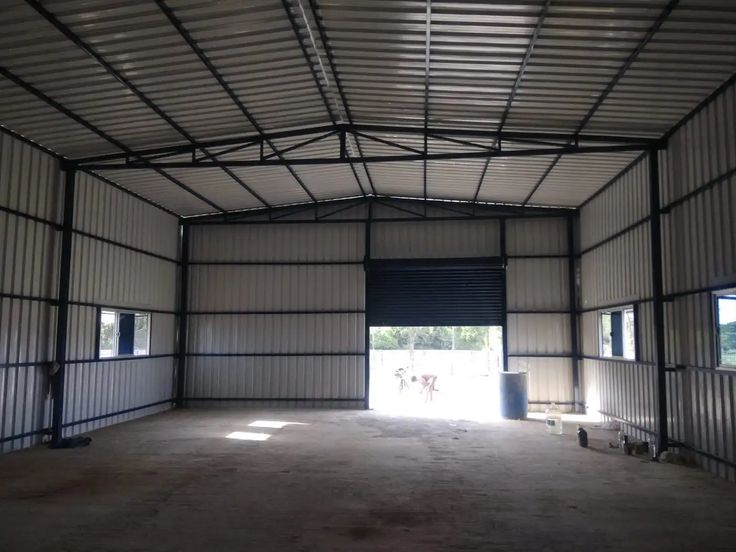
There is no one-size-fits-all solution for how to cool a metal shed. The best approach often involves a combination of roof, wall, and mechanical options.
Roof Ventilation
Since hot air rises, the roof is your first line of defense. If you can let the heat out at the highest point, you stop it from accumulating.
Whirlybirds (Roof Turbines)
You see these spinning metal hats on rooftops all over Australia for a reason—they work. Whirlybirds use the wind to spin a turbine, which creates a vacuum that sucks hot air out of the roof cavity.
- Pros: Inexpensive, easy to install, zero running costs, works 24/7.
- Cons: They rely on wind to be effective. On a dead-calm, scorching day, their efficiency drops.
Ridge Vents
These are continuous vents installed along the peak of the roof. They provide a constant opening for hot air to escape via convection.
- Pros: Low profile (looks good), constant passive airflow, no moving parts to rust or squeak.
- Cons: Installation can be more involved if not done during the initial build.
Wall & Passive Ventilation
Getting the hot air out is only half the battle. You also need to let fresh, cooler air in to replace it. This is where shed airflow dynamics come into play.
Wall Vents
Installing vents low on the shed walls allows cool air to be drawn in from the bottom. As the hot air exits the roof vents, it pulls this cooler air in, creating a natural cycle known as the “stack effect.”
Louvres
Louvre windows are fantastic for sheds. You can angle them to catch the breeze while keeping rain out. They provide a much larger opening than standard wall vents, allowing for rapid air exchange.
Cross Ventilation Setup
This is the gold standard for passive cooling. By placing windows or vents on opposite walls (preferably in line with the prevailing wind), you create a direct path for the breeze to flow through the shed, flushing out the hot air instantly.
Mechanical Ventilation
Sometimes, passive options aren’t enough, especially in large workshops or during heatwaves.
Exhaust Fans
Industrial wall-mounted exhaust fans can force air exchange regardless of the weather. These are essential for welders or tradies creating dust and fumes.
Solar-Powered Fans
These are a modern upgrade to the whirlybird. They look similar but contain a solar-powered motor that spins the fan.
- When to use: Great for areas with low wind but high sun. The hotter the sun shines, the faster they spin, which is exactly when you need roof ventilation for sheds the most.
Combining Ventilation with Insulation
Ventilation removes hot air, but insulation stops it from getting in. You cannot have effective summer shed heat control without considering both.
Reflective foil insulation (often called sarking or bubble foil) installed under the roof sheets reflects up to 95% of radiant heat. If you only vent the shed but don’t insulate the roof, the steel will still radiate massive amounts of heat onto you. The winning combo is insulation to block the heat entry and ventilation to remove whatever heat manages to get through.
Simple DIY Tips to Cool Your Shed
If you aren’t ready for a full renovation, there are actionable steps you can take this weekend to drop the temperature.
- Door and Window Management: Open the main roller door and a rear window or door simultaneously. Never just open one; you need an entry and an exit for the air.
- Install Shade Structures: Stop the sun from hitting the metal walls in the first place. Planting deciduous trees or installing shade sails over the western wall can make a massive difference.
- Paint the Roof: If you have a dark-coloured roof, it is absorbing heat. Painting it with a reflective, light-coloured specialised roof paint can significantly reduce surface temperature.
- Add Retrofit Insulation: You can glue rigid foam insulation boards to the inside of your shed walls or roof panels. It’s a cheap DIY fix that provides an immediate barrier against the heat.
Choosing the Right Ventilation for Your Shed
Before you start cutting holes in your shed, consider your specific situation.
Shed Size
A small garden shed might only need two wall vents and a whirlybird. A large double-bay workshop will likely need a combination of whirlybirds, a ridge vent, and possibly a mechanical fan.
Local Climate
If you live in a coastal area, focus on airflow to stop rust. If you are in the dry outback, focus heavily on insulation and roof ventilation to combat radiant heat.
Intended Use
Is it just for storage? Passive vents are likely enough. Is it a home gym or a workshop where you spend hours? You will need mechanical ventilation and insulation to ensure safety and comfort.
Budget
Passive vents and whirlybirds are cheap and effective. Solar fans and insulation require a higher upfront investment but deliver better results.
Cost vs Long-Term Benefits
Investing in ventilation might seem like an unnecessary expense, but it pays off.
Energy Savings
If you currently run a portable air conditioner in an unventilated shed, you are wasting electricity. Proper ventilation reduces the load on cooling devices, saving you money on power bills.
Protection of Assets
How much is your ride-on mower, classic car, or power tool collection worth? Spending a few hundred dollars on ventilation is cheap insurance against rust, heat damage, and degraded fuel.
Improved Usability
A shed you can’t use because it’s too hot is a wasted investment. By cooling it down, you gain an extra room for hobbies, work, or storage, increasing the value and utility of your property.
Final Thoughts
You don’t have to suffer through another scorching summer in a baking hot shed. By understanding the basics of airflow and heat transfer, you can create a workspace that remains bearable even on the hottest Australian days.
Start by assessing your current setup. Do you have cross-flow ventilation? Is your roof insulated? Start with the simple fixes like adding low wall vents or a whirlybird, and consider upgrading to insulation if the problem persists.